
The United Nations on Monday, December 15th, called for the unconditional release of the estimated 10,000 people arbitrarily detained in Eritrea, including politicians, journalists and students, reports French media channel RFI.fr.


The United Nations is calling on Eritrea to immediately and unconditionally release an estimated 10,000 people who are being held in detention without trial — including politicians, journalists, students and priests.
According to the UN, many detainees have been imprisoned for decades without charge or access to legal representation. The country, ruled by President Isaias Afwerki since 1993, is regularly ranked among the worst in the world in terms of human rights.
– “The recent release of 13 Eritreans after nearly 18 years of arbitrary detention is a welcome step, but far from sufficient,” said UN spokesperson Seif Magango.
Detainees are reported to have been held in harsh conditions, including confinement in metal containers at the Mai Serwa prison near Asmara.
Read the full article on RFI.fr here
Go to the UN Press Release here
Please also see the statement from the Raoul Wallenberg Centre for Human Rights. The full text can be found below >>

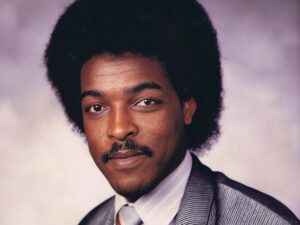
We call on the Government of Eritrea to immediately and unconditionally release Swedish-Eritrean journalist Dawit Isaak, who has been arbitrarily detained incommunicado since 2001 without charge, trial, or access to his family, lawyers, or medical care.
Dawit Isaak is internationally recognized, together with his imprisoned colleagues, as the longest-detained journalist in the world and as an emblematic case study of the global assault on media freedom. His prolonged detention constitutes a grave violation of Eritrea’s own domestic law as well as its international human rights obligations, including the rights to liberty and security of person, due process, freedom of expression, and protection from torture and other cruel, inhuman, or degrading treatment.
The recent release of a small group of long-term Eritrean political prisoners demonstrates that change is possible. That step must now be followed by the release of Dawit Isaak and all journalists, political prisoners, and others arbitrarily detained in Eritrea.
We also urge the Swedish government to treat Dawit Isaak’s case as an absolute priority and to use every means at its disposal to secure his release.
After more than two decades of arbitrary detention of a Swedish citizen, Sweden must act with sustained urgency, clarity, and resolve. There is no justification for further delay. Dawit Isaak must be freed now.